How to Learn Spanish Fast with a Semi Intensive Spanish Course - Without Quitting Your Job or Studies
If you’re living in Barcelona, whether for work, university, relocation, remote work, or a longer stay, you’ve probably realised that committing to a 20-hour-per-week intensive course just isn’t realistic. Between meetings, classes, admin, deadlines, and family life, your schedule is already full.
At the same time, you likely want to feel more settled here: to integrate into daily life, improve your CV, open up career opportunities, or simply handle everyday situations with more confidence. But reorganising your entire routine around language classes? That’s a big ask.
The good news is that you don’t have to.
A Semi-Intensive Spanish course is designed specifically for residents who need structured progress without disrupting their responsibilities. With just two hours per day, Monday to Friday, you can build measurable improvement while maintaining the life you’re already building in Barcelona.
As Sara, a student from Morocco, explains:
“I chose Camino because of its great reputation, the quality of the teaching, and the mix of activities both in and outside the school. It helped me understand Spain better and made learning the language much easier.”
Her experience is a common one. Many people discover that consistency, not intensity, is what really makes progress stick.
So What Does “Fast” Actually Mean?
Many people searching for the best way to learn Spanish quickly imagine extreme immersion or exhausting weekend marathons. But when you’re studying Spanish in Barcelona while working or enrolled at university, speed must be sustainable.
With 10 hours per week of structured, immersive instruction, progress becomes predictable - not overwhelming.
If you have never studied Spanish before, you’ll be surprised how quickly you can start communicating. Here’s what many students experience in our Semi-Intensive Spanish Course:
After 4 weeks
-
You can introduce yourself with confidence
-
You can order food without switching to English
-
You can handle basic daily interactions
After 8 weeks (A1 completed)
-
Conversations start to feel more natural
-
You rely less on translating in your head
-
You feel more independent in everyday situations
After 12 weeks
-
You can handle appointments and services
-
You can express opinions more clearly
-
You feel comfortable socialising in Spanish
It’s not magic; it’s consistency. Over time, that consistency adds up to a strong, functional level of Spanish without putting the rest of your life on hold.
Watch how a U.S. student describes progressing through the Semi-Intensive Spanish course while balancing life in Barcelona.
Fast doesn’t mean extreme.
Fast means structured and frequent.
Why 10 Hours Per Week Works
The semi-intensive format sits right in the middle: more structured than a casual part-time course, but far less demanding than a full intensive programme. For many people, that balance is exactly what makes it work.
The Semi-Intensive Spanish course run
-
Monday to Friday
-
2 lessons per day
-
10 hours per week
-
Spanish as the main language in class
Classes are scheduled for people living in Barcelona who are balancing work schedules, university classes, freelance projects, or remote jobs in different time zones.
Many learners follow routines that fit naturally into their day. Some work remotely in the morning and attend classes in the afternoon, using the time difference to their advantage. Others are university students who want to improve their Spanish alongside their degree, while also enjoying life in Barcelona.
As Charlie from the UK describes his experience:
“I can spend the day out in Barcelona, attend the afternoon course, and still have my evening free. It doesn’t take over your whole day.”
That’s really the point. You are not pausing your life to learn Spanish; you are building Spanish into the life you already have.
Afternoon Option: 14:40–16:10
Evening Option: 16:20–17:50
The evening Semi-Intensive Spanish course schedule makes it possible to finish work, attend class, and still have your evenings free to discover Barcelona.
Compared to:
-
A 20-hour Spanish intensive course (fast but disruptive)
-
A light part-time structure (slow but low pressure)
Semi-intensive provides sustainable momentum, making it one of the most realistic ways to learn Spanish fast without burnout. It creates daily exposure to Spanish while still leaving space for work, travel, or life in Barcelona, which is why many students find it easier to stay consistent and motivated week after week.
The course is organised week by week, so you can book anywhere from 1 to 52 weeks. Whether you want a short boost or a longer-term plan, it adapts to your schedule, not the other way around. This flexibility supports long-term immersive Spanish learning without requiring you to reorganise your life.
What Immersive Spanish Learning Looks Like
In one beginner class, a student came in straight from work and wrote: “Tengo 25 anos.”
The teacher corrected it: “Tengo 25 años.”
One wrong letter. Completely different meaning.
The class laughed-and no one forgot the letter ñ again.
That’s immersive learning in action. You speak from day one, make mistakes, get immediate feedback, and move forward. It’s very different from attending a class once a week and hoping it sticks. Frequency makes all the difference.
Spanish or Catalan?
Anyone planning to learn Spanish in Barcelona wonders about Catalan.
Spanish is the primary language of instruction in the Semi-Intensive Spanish course and is widely used across professional and social environments in the city. Catalan is co-official and visible in public life, but Spanish remains fully functional for work, networking, and daily integration.
Starting with Spanish builds immediate confidence and gives you a skill that stays with you long after the course ends, whether you’re building your life in Barcelona or want to use the language elsewhere in the Spanish-speaking world in the future.
Why Many Learners Quit at B1
Reaching B1 can feel like hitting a plateau. Your vocabulary grows and grammar becomes more complex, but fluency does not seem to improve at the same pace.
The semi-intensive format helps prevent this by maintaining consistency. Instead of long gaps between lessons, regular exposure builds momentum, and momentum is what helps you move forward.
Spanish Courses for Student Visa Requirements
For student visa purposes, programs typically require around 20+ hours per week. The semi-intensive format (10 hours per week) is ideal for residents already living in Barcelona.
If you require a student visa, Camino also offers Long-Term Afternoon (13:40–17:30) and Long-Term Evening (16:20–20:00) Spanish courses. These programmes run 20 hours per week, meeting the typical visa requirements while still allowing students to choose schedules that fit their daily routines.
Experienced teachers, real communication
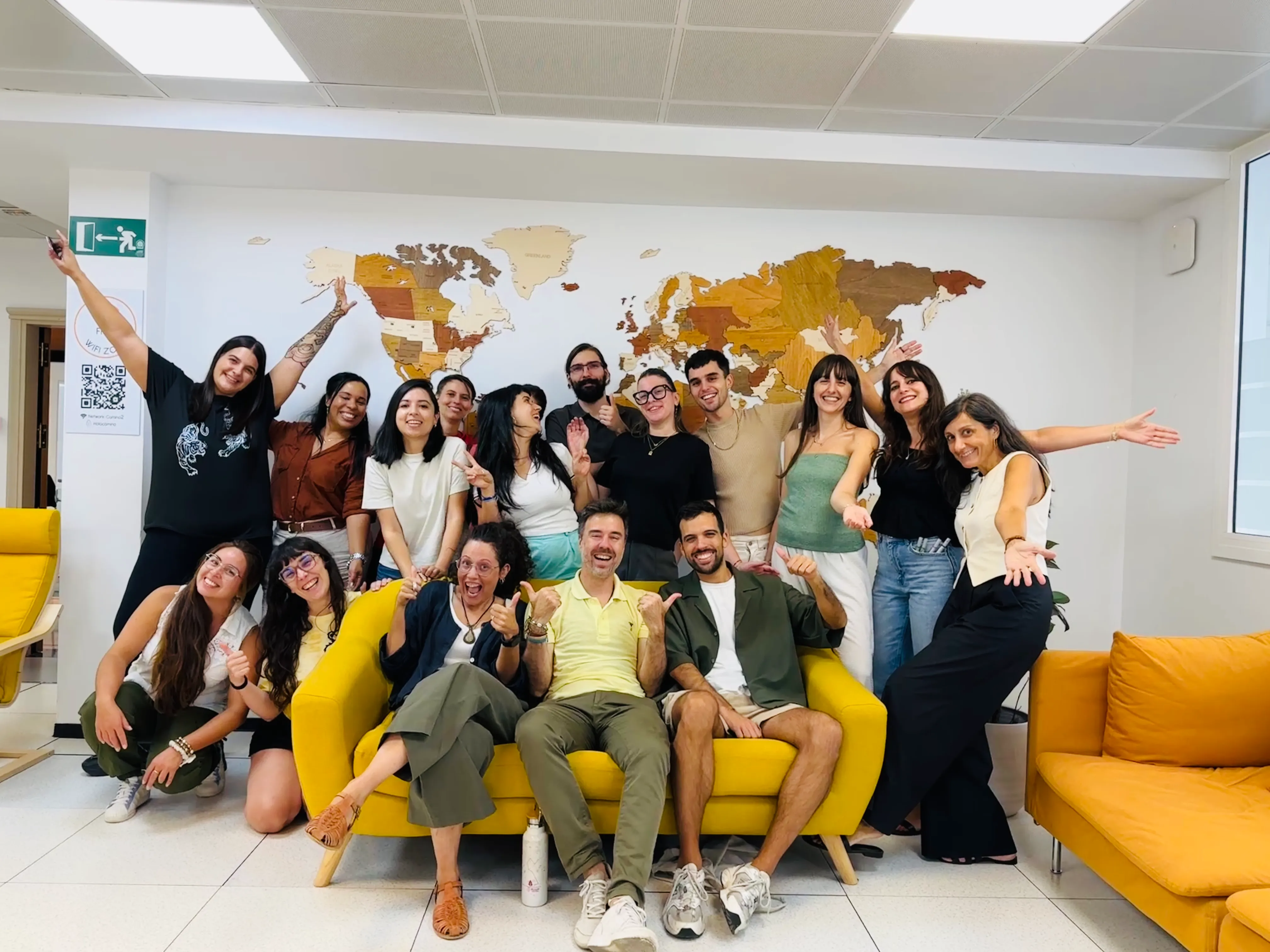
Classes are taught by experienced native Spanish teachers using a communicative approach. This means you start speaking from day one, rather than focusing only on memorising grammar.
The goal is to help you sound natural, understand real conversations, and feel comfortable using Spanish in everyday situations.
This structured approach ensures authentic pronunciation and real conversational rhythm - essential when studying Spanish in Barcelona.
Structured Around CEFR
The curriculum follows the CEFR framework used in official exams such as DELE and SIELE.
-
A1: 8 weeks
-
A2: 10 weeks
-
B1: 20 weeks
-
B2: 24 weeks
-
C1: 20+ weeks
Students receive a certificate upon meeting attendance requirements.
Learning beyond the classroom
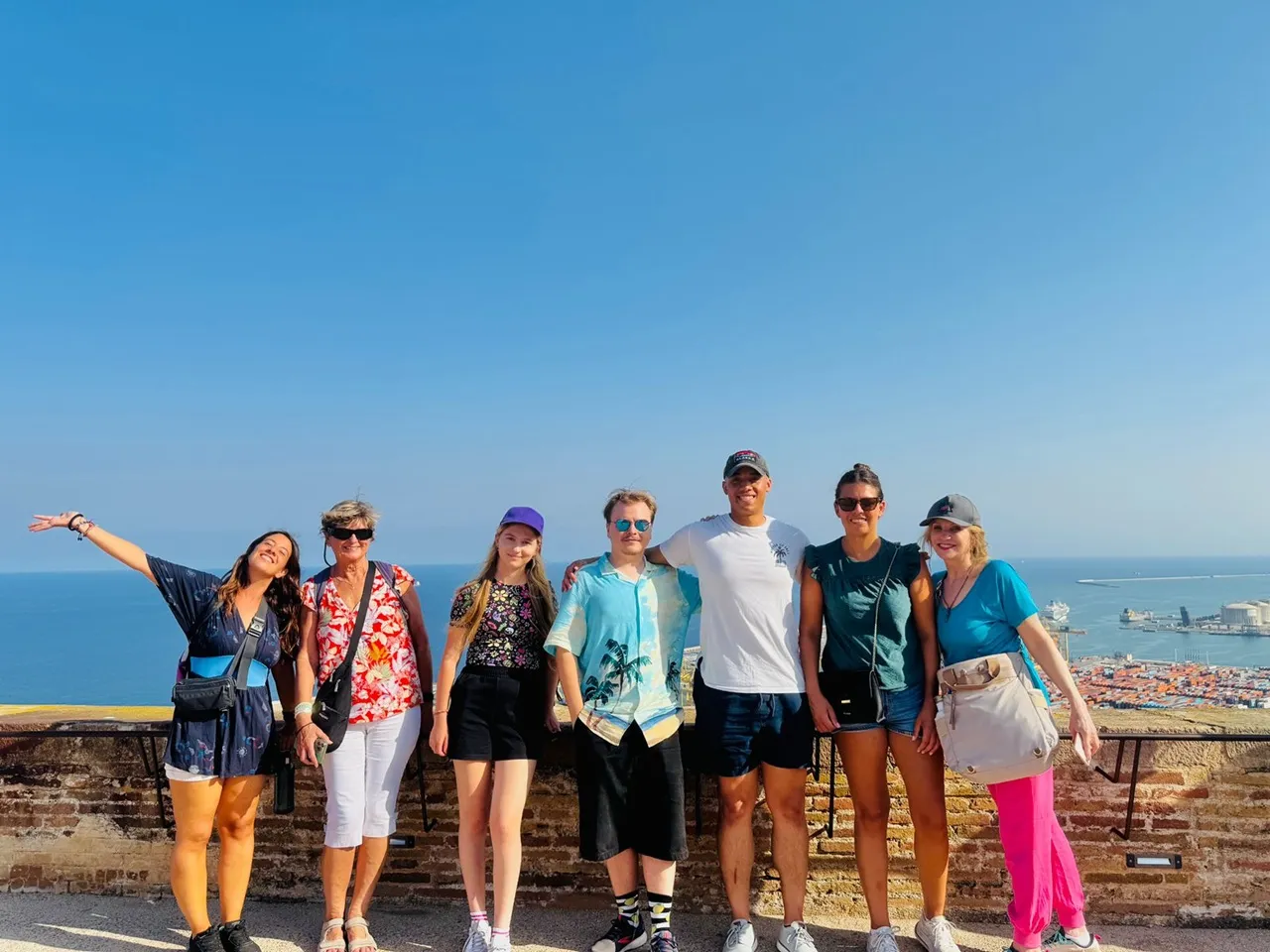
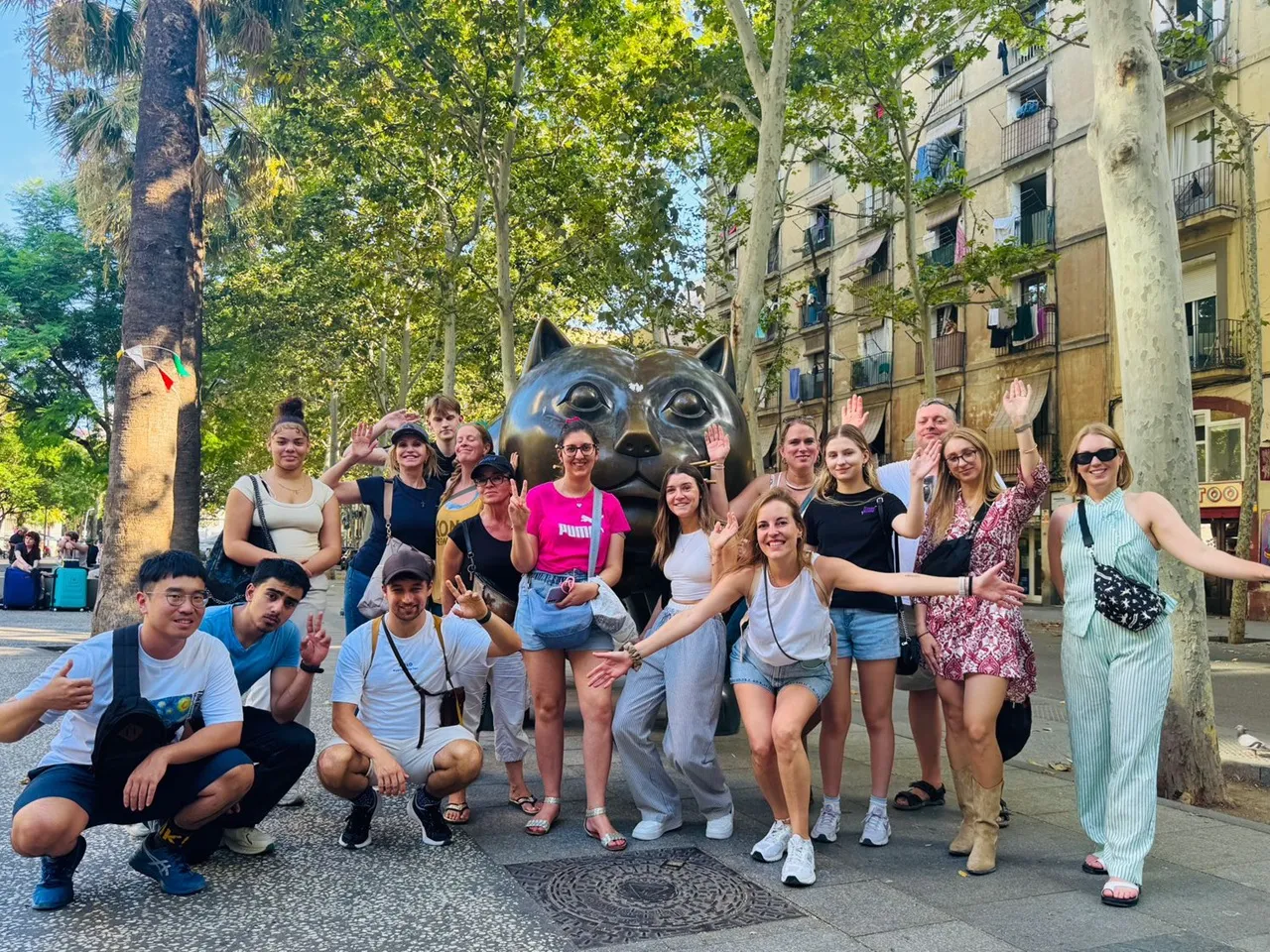
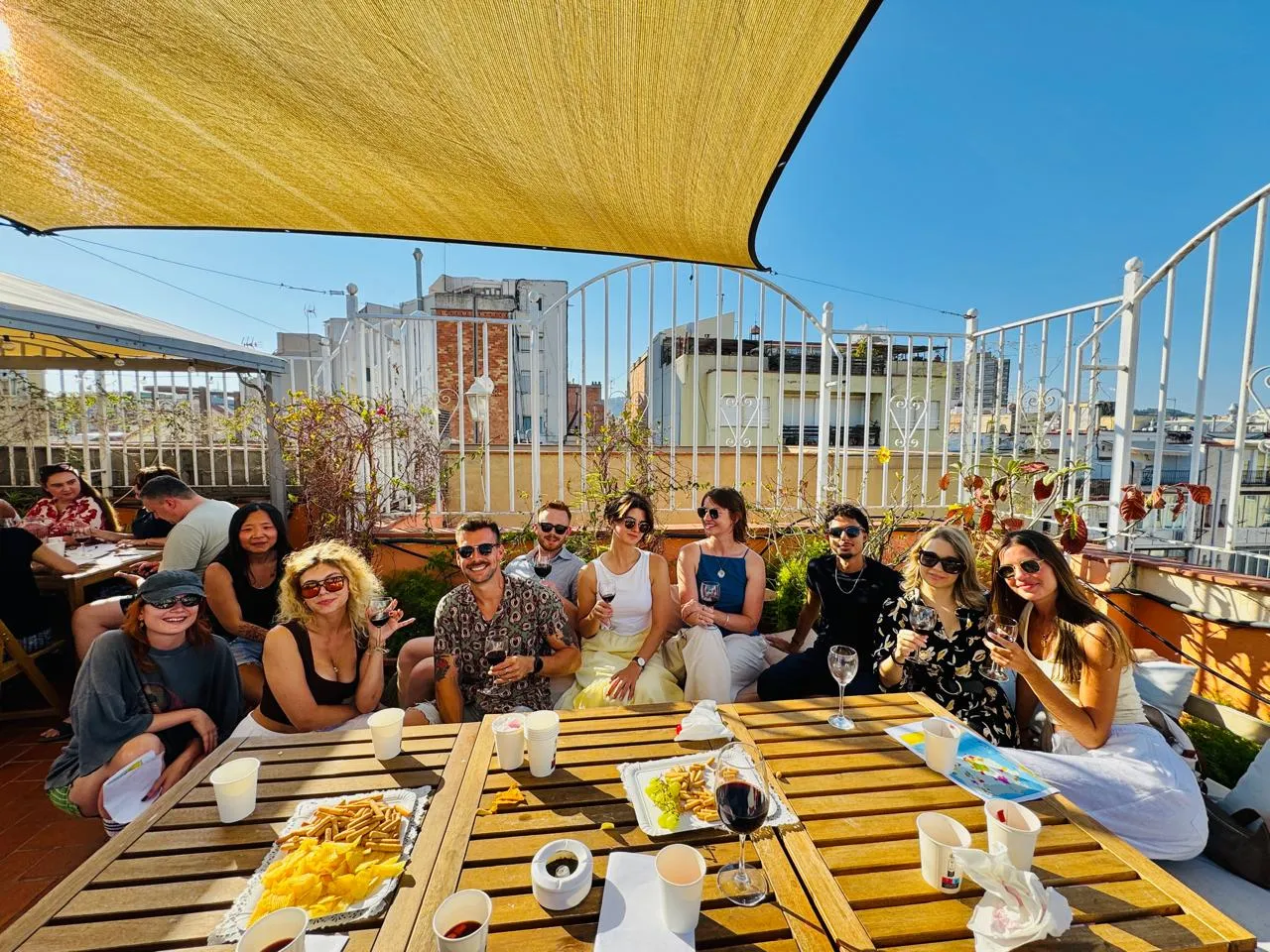
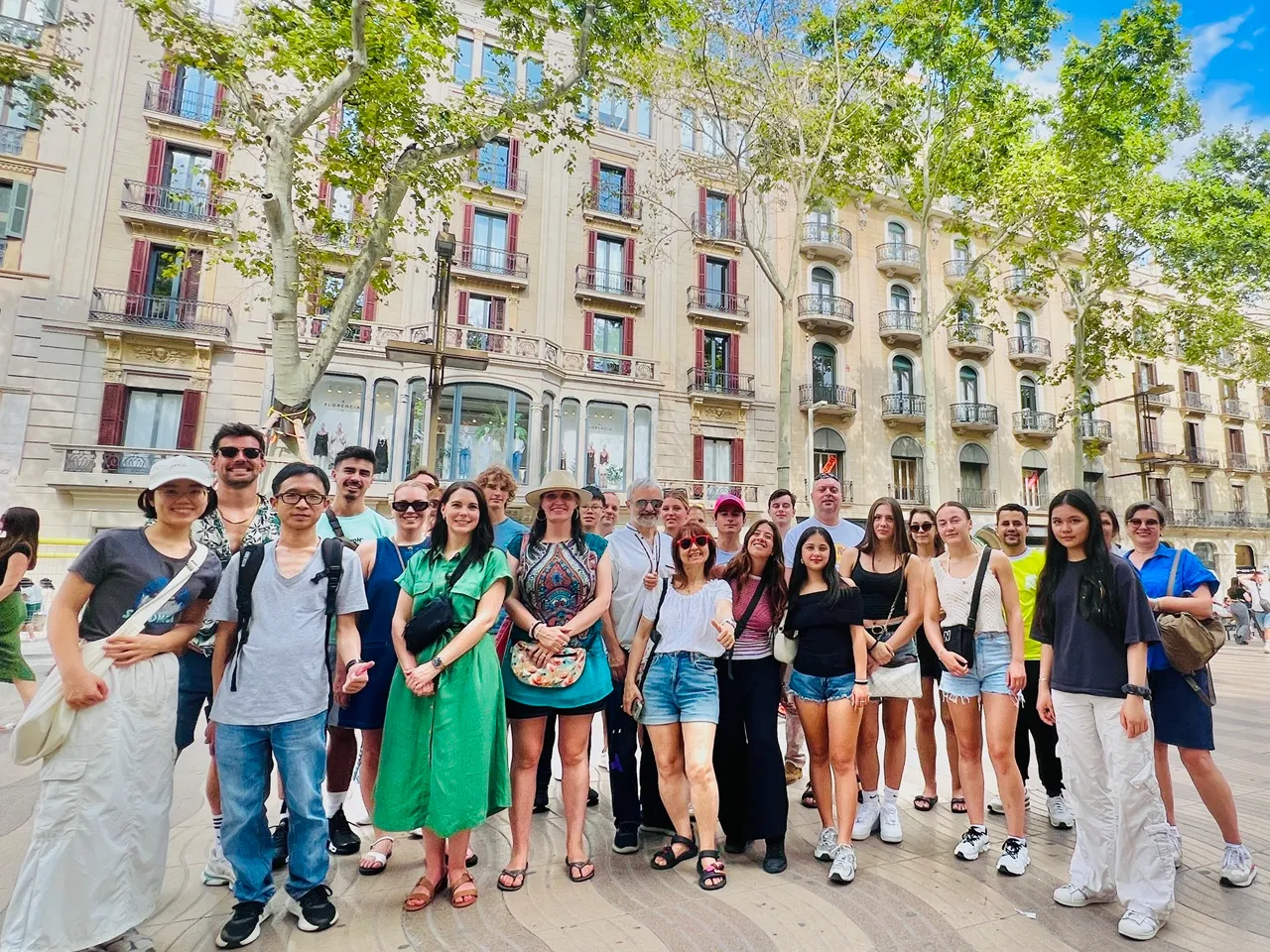
Outside the classroom, Barcelona becomes part of the learning experience. We offer daily activities that let students practise Spanish in real-life situations. These activities take place in neighbourhoods such as Eixample, El Born, the Gothic Quarter, Gràcia, and many more.
Many students also join intercambios-informal meetups in cafés and bars where you can practise Spanish in a relaxed, social setting.
Structure builds accuracy. The city builds necessity.
Career Impact
If you are working in Barcelona, Spanish is more than just a useful skill. It helps you integrate into the workplace, expand your network beyond international circles, and build credibility in local environments.
It is not just about speaking; it is about opening doors.
A practical way forward
If you want to:
-
Learn Spanish fast
-
Avoid full-time disruption
-
Choose between a Spanish intensive course and a part-time Spanish course Barcelona option
-
Experience true immersive Spanish learning
A Semi-Intensive Spanish course offers a structured and sustainable path.
Two hours per day. Five days per week. Real results.
Because the best time to start is not “someday”, it is when it actually fits your life.
Words You’ll Start Using in Your First Weeks in Barcelona
Daily Life & Social Culture
-
Sobremesa - Time spent talking at the table after a meal.
-
Quedamos a las… - Let’s meet at…
-
Vale - Okay / Sounds good.
-
Ahora mismo - Right now.
-
Un momentito - Just a moment.
Language & Regional Context
-
Bon dia - Good morning (Catalan).
-
Adéu - Goodbye (Catalan).
Everyday Barcelona Context
-
El metro - The subway.
-
Una caña - A small draft beer.
-
¿Me pones…? - Can you get me…? (common when ordering)
-
Estoy de paso - I’m just passing through.
-
Empadronamiento - Local address registration (common administrative term).