Learn Spanish with TV Series: The Best Spanish Shows and Films from A1 to C1
How can you learn Spanish from films and TV series? The key isn't how much you watch, but choosing content that matches your level. This guide recommends Spanish films and series for each CEFR stage: A1–A2, B1, B2 and C1.
For Spanish learners, films and TV series are one of the most valuable sources of authentic language input.
Unlike textbooks, Spanish films and shows let you hear how native speakers really talk: their pronunciation, speed, intonation, everyday expressions, slang and cultural references. But if you want watching series to actually improve your Spanish, you first need to answer one question:
What should you watch at your level?
Under the Common European Framework of Reference for Languages (CEFR), the learning goals at A1–A2, B1, B2 and C1 are different, so the films and series you watch should also become gradually more challenging.
At A1–A2, the priority is getting used to the sound of Spanish and building confidence in your listening. At B1, you can start moving into real, everyday spoken Spanish. At B2, the challenge is understanding regional culture, humour and what is left unsaid. And at C1, complex on-screen dialogue helps you learn to express yourself more naturally and flexibly.
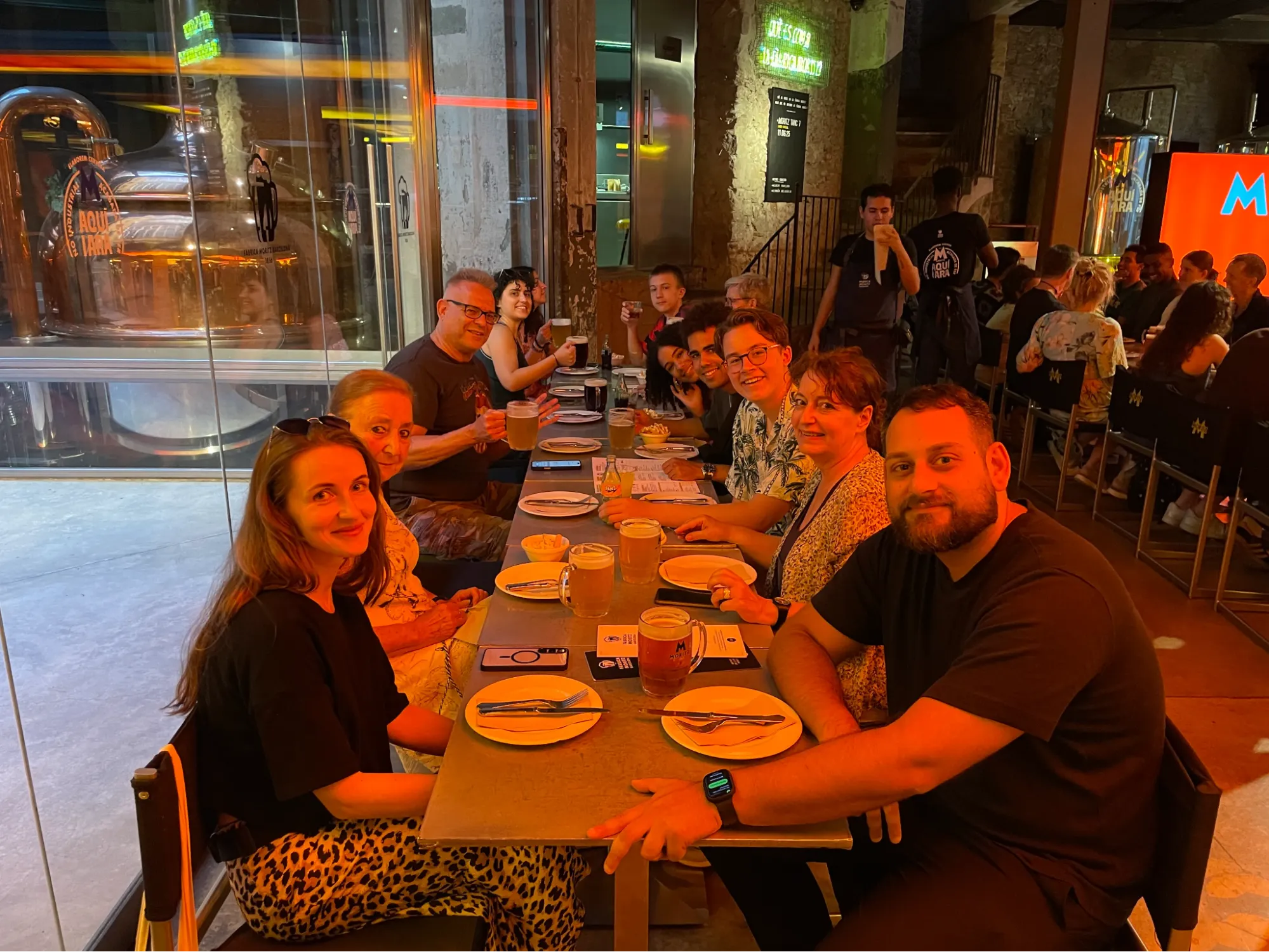
At Camino Barcelona, we care about what happens in the classroom, but we also encourage students to understand the language through film and real cultural experiences. Our Movie Nights, where native-speaking teachers introduce students to Spanish cinema, are one of the ways we do this.
Below, we recommend films and series for each level from A1 to C1, along with a simple method to get the most out of them.
1. What to watch at each level: start with the right shows
A1–A2: Build the confidence to understand a whole sentence
When you're just starting out, the goal isn't to understand every line of dialogue. It's to get familiar with the sounds, speed and rhythm of Spanish and to build confidence in your listening.
Our pick: Extra en español.
This sitcom was made specifically for people learning Spanish. The characters speak slowly and clearly, and the episodes revolve around everyday situations such as introducing yourself, shopping, ordering food, renting a flat and asking for directions, which makes it ideal for complete beginners and elementary learners.
Try watching each episode three times: first with subtitles in your own language to follow the story, then with Spanish subtitles, and finally pausing to repeat the characters' lines out loud. Stick with it and you'll notice your ear gradually adjusting to real Spanish.
B1: From the textbook to real life
By B1, you already have a solid base of vocabulary and grammar. This is the moment to start watching real Spanish TV series and pick up the natural expressions you won't find in the classroom.
Valeria is a great choice.
Valeria | Official trailer (Netflix España)
The series follows a group of young women living in Madrid, and it's full of everyday scenes: get-togethers with friends, chats in bars and conversations about relationships. It's a great way to learn how young people in Spain really talk today, and to get a feel for the local way of life.
Another classic comedy we recommend is Aquí no hay quien viva. The whole series takes place in a single apartment building, and from neighbour relationships to family life, from everyday arguments to Spanish-style humour, it's packed with real daily life. If you want to improve your everyday conversation skills, shows like this are much closer to the real language than memorising a textbook.
Aquí no hay quien viva | Full first episode (atresplayer)
B2: Start understanding the culture behind the language
Many learners find that once they reach B2, they can follow most of the dialogue but still often don't know why the characters are laughing, or what certain lines really mean.
The reason is simple: there's culture behind every language.
At this stage, we recommend El Ministerio del Tiempo (The Ministry of Time).
El Ministerio del Tiempo | Official promo (RTVE Play)
By travelling through different periods of history, the series introduces viewers to historical figures such as Cervantes, Picasso and Columbus, as well as key events in Spanish history. More than a language lesson, it's a lively and entertaining class on Spanish culture.
Another must-see is the film Ocho apellidos vascos (Spanish Affair).
Ocho apellidos vascos | Official trailer (Universal Spain)
Through the culture clash between a Basque woman and an Andalusian man, the film shows off Spain's rich regional cultures and its unique sense of humour. Many foreign learners only realise after watching it that Spain doesn't have just one culture or one language. Alongside Castilian Spanish (castellano), spoken across the whole country, there are regional languages such as Catalan, Basque and Galician, each carrying its own history and culture.
C1: Learn to express yourself like a Spaniard
Once your Spanish reaches C1, the focus is no longer on building vocabulary, but on making the way you express yourself more natural and closer to how Spaniards actually speak.
La Casa de Papel | Official trailer (Netflix)
La Casa de Papel (Money Heist) is a series well worth the challenge. The characters speak fast, their emotions shift constantly, and the many scenes of negotiation, argument and persuasion will help you master how to express yourself in very different contexts.
Élite | Official trailer (Netflix España)
Élite, on the other hand, is ideal for picking up the colloquial Spanish and internet slang used by young people. Its natural, realistic dialogue will help you get familiar with how young Spaniards communicate today and make your own Spanish sound more authentic.
2. How to learn effectively from films and series: break down the dialogue
Lots of people treat watching series as studying, but those who really improve their Spanish through film and TV all do the same thing: they break down the dialogue.
Here's a more effective method:
-
First viewing: follow the story and don't worry about every single word.
-
Second viewing: switch on Spanish subtitles and note down frequent expressions and sentences you don't know.
-
Third viewing: pause and repeat, imitating the characters' pronunciation, intonation and pauses.
-
Finally: use the expressions you've learned in real conversations so they truly become part of your Spanish.
Only when you turn input into output can films and series really help you improve your Spanish.
3. Watching films in Spain: a completely different experience
Films and series put you in touch with real Spanish, but watching and discussing them with teachers and classmates is what helps you truly understand the culture behind the language.
At Camino Barcelona Spanish school, learning doesn't only happen in the classroom.
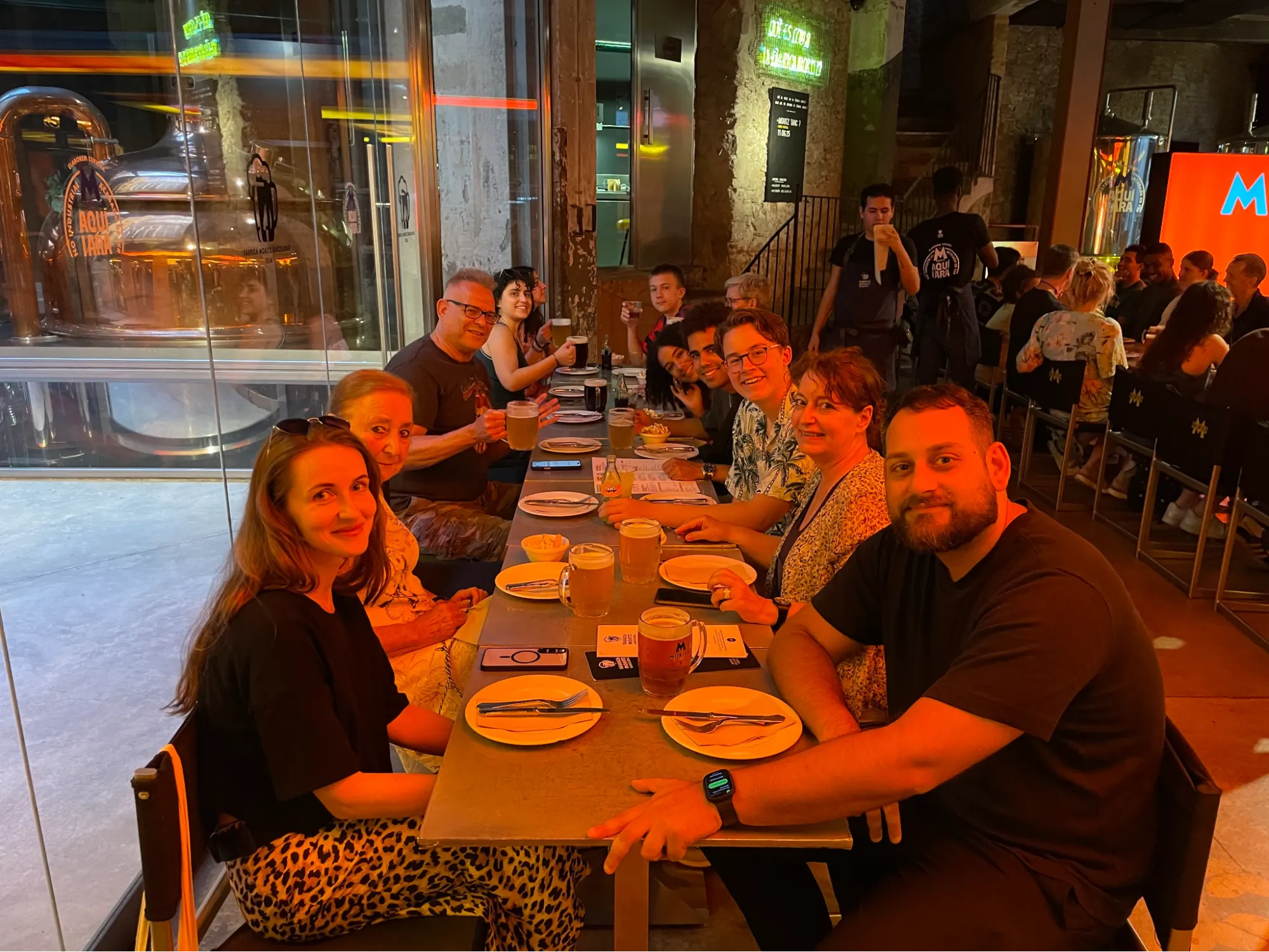
Alongside our wide range of Spanish courses, the school regularly organises cultural activities such as Movie Nights. Students from all over the world watch classic Spanish films together, while native-speaking teachers lead the discussion, explaining the plot, authentic expressions, slang, historical background and the way Spaniards think.
This "watch, explain, discuss" approach makes it much easier to build a real language environment than watching series alone at home, and it makes learning Spanish a lot more fun.
As Camino has always believed, language learning doesn't just happen in the classroom: it should be part of real life and real cultural experiences.
Final thoughts
From A1 to C1, there are films and series to suit every stage. Progress step by step according to your level, and use film and TV to learn real expressions, discover the Spanish way of life and experience the country's rich and diverse culture.
- A1–A2: get familiar with pronunciation and basic expressions
- B1: understand everyday spoken Spanish in real-life situations
- B2: understand cultural background, regional differences and humour
- C1: master more natural, complex and context-appropriate expression
Whatever your level, we recommend breaking your viewing into a few steps: follow the story, switch to Spanish subtitles, break down the dialogue, imitate and repeat, and use it in real life. Only by gradually turning input into output can films and series become a truly effective resource for learning Spanish.
At Camino Barcelona, learning Spanish isn't limited to the classroom. As well as a variety of Spanish courses, the school runs cultural activities such as Movie Nights, where students explore real Spanish language and culture together with native-speaking teachers and classmates from all over the world.
When classroom learning, film and TV, and real life in Barcelona come together, Spanish stops being something you memorise and gradually becomes a language you can really use.
From understanding a line of dialogue on screen to actually saying it out loud in Barcelona: that's the journey from learning a language to using it.