
Traditional Food in Barcelona: Where Locals Actually Eat
Barcelona is widely celebrated as a food capital, yet finding traditional Catalan cuisine in Barcelona, the dishes that shaped everyday life rather than trends, has become increasingly difficult. This article is not a ranking, a novelty guide, or a hunt for “hidden gems,” but an exploration of local gastronomy in Barcelona as it survives today.
So where do locals still eat traditional food in Barcelona?
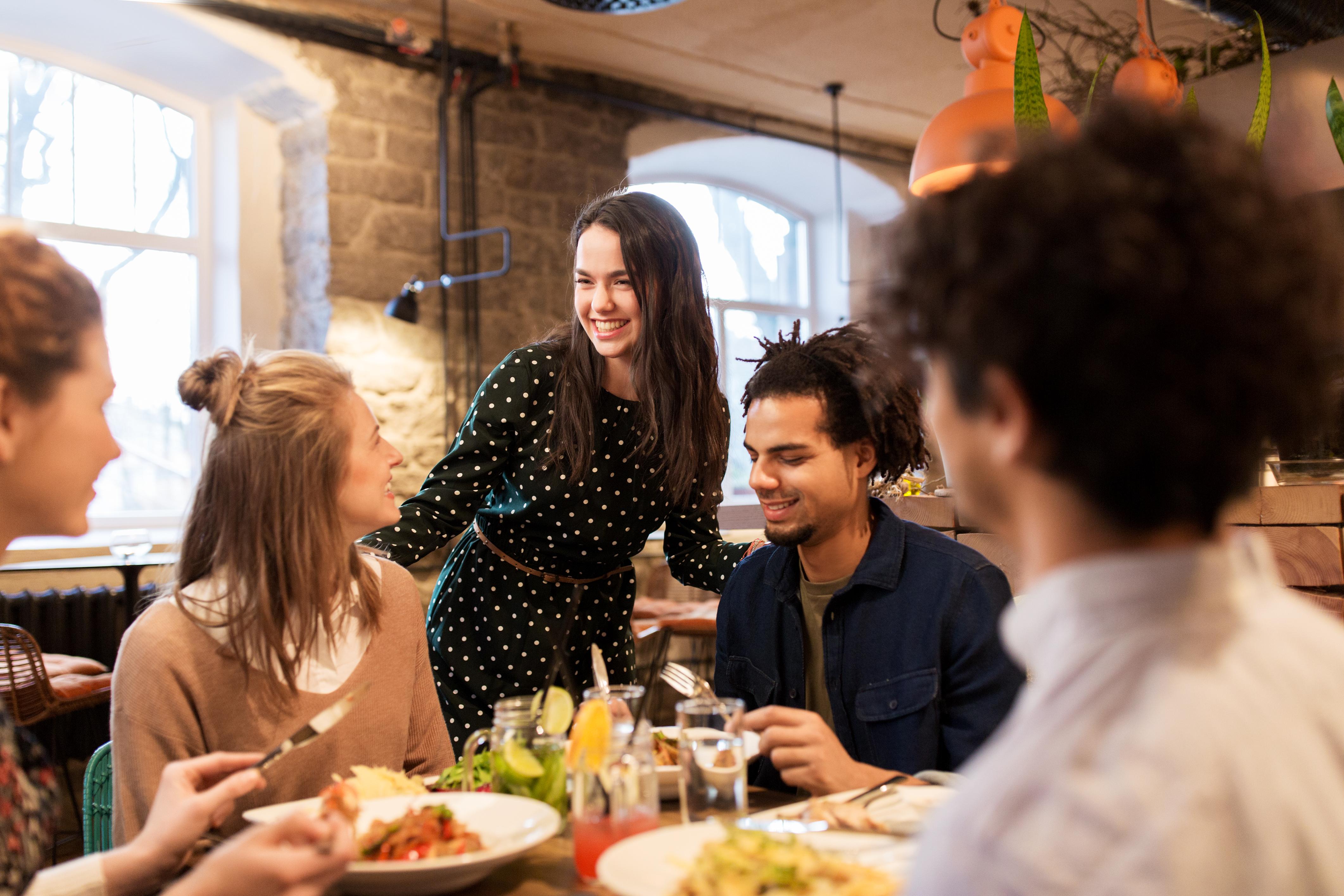
For many people who come to learn Spanish in Barcelona, food is one of the first real points of contact with daily life, revealing habits, rhythms, and values that no guidebook can fully explain. Local favourites are not found on tourist-heavy streets or trend-driven menus, but in long-established neighborhood restaurants close to markets and residential areas. These places focus on daily menus, seasonal stews, and familiar Catalan dishes that are cooked regularly, eaten without explanation, and passed down through habit rather than spectacle.
Finding Real Catalan Cuisine in Barcelona in a Globalized Food City
Questions like “Where can you eat good tapas?” or “Where can you still find traditional Catalan and Spanish cuisine in Barcelona?” echo constantly in the minds of both locals and visitors. They are especially common among those studying Spanish in Barcelona, who often realize that understanding food culture is as important as mastering vocabulary or grammar.
And there is no easy answer. In Barcelona, as in all major European metropolises, it is far easier to get lost in the vast gastronomic offer from distant countries than to find a truly local restaurant where the flagship dishes of Catalan culture remain central to the menu.
There are several reasons why this should not surprise us. Barcelona’s character has been shaped by centuries of openness to Europe through the sea, forming a city of many faces where influences from across the Mediterranean, and beyond, have long coexisted. The circulation of products, goods, ideas, and knowledge drives the evolution of a culture and, more specifically, of a cuisine that absorbs foreign elements until it makes them its own.
Think, for example, of cannelloni: a dish that travels from Italy, arrives in Catalonia, and ultimately becomes a cornerstone of Christmas cooking, tied to reuse, family tables, and dishes like escudella i carn d’olla. This movement is not an anomaly but the very mechanism through which Barcelona has historically defined itself. Culinary identity here has never been pure; it has always been porous.
Global abundance and culinary homogenization
Now think of the countless:
-
ramen shops
-
sushi bars
-
Chinese restaurants
-
bánh mì and phở places (fewer, generally)
-
Argentine empanada shops
-
kebab joints
-
pastry shops of every kind
that define the urban landscape not only of the city center but increasingly of Barcelona’s outskirts as well.
This abundance, in itself, is not a threat. It is the natural expression of a global city. The problem emerges when this abundance becomes the default, and traditional food in Barcelona, slow, seasonal, working-class, repetitive, gets displaced from daily life and relegated to celebration, tourism, or memory.
Partly because of its open character and partly because of global gastronomic dynamics, the truth is that Barcelona is moving toward a culinary homogenization that makes it resemble any modern capital, something that, at first glance, would gradually alienate it from its own tradition in favor of market tastes.
Fortunately, this reality is far from being the city’s only dish today.
What is at stake is not authenticity as a museum concept, but continuity. A cuisine survives only if it is cooked regularly, eaten without explanation, and transmitted through habit rather than discourse. This mirrors the way Spanish Language and Culture in Barcelona are actually lived, through repetition, coexistence, and everyday use rather than formal display.
Gaining strength and spreading progressively from the peripheral towns toward the urban center, a group of chefs, mostly young and unanimously convinced of the value of Catalan cuisine Barcelona, are responsible for a culinary scene centered on the recovery and cultivation of Catalan traditional gastronomy.
What makes it especially distinctive is the opening of restaurants that preserve their old modernist interior designs.
The old and the new thus merge in a project that propels market-based Catalan cuisine into the future, restoring former venues that had remained closed or abandoned for lack of initiatives.
A walk from Universitat
The answer to the question “where to eat traditional food in Barcelona?” does not require a reservation months in advance or a pilgrimage to the outskirts. It can be found within a relaxed 30-minute walk from Universitat metro station on Line 2, in the very heart of the city. Geography here is not incidental: traditional food survives where people still live, work, and return.
Bar Muy Buenas
The first stop is unapologetically tied to proximity and product.
Takes advantage of its proximity to the historic Boquería market to offer a menu with fundamental references such as:
caçola de mandonguilla amb sípia (meatballs with cuttlefish)
fricandó de vedella estofada (braised veal fricandó)
butifarra amb mongetes (sausage with white beans),
a dish so simple, rustic, and superb in its simplicity.
Casa Leopoldo
From everyday stews, the walk moves into memory, literature, and offal as cultural statements.
Chef Óscar Manresa prepares with years of craftsmanship the famous cap i pota, an emblematic dish of offal stewed in tomato and paprika sauce, always generously accompanied by chorizo.
This dish represents one of the clearest literary links to the writer Manuel Vázquez Montalbán, whose character Pepe Carvalho, seated at the table, eats, enjoys, thinks, and solves crimes in the detective novels the author left us as a chronicle of Barcelona from the late Franco era to the beginning of the new century.
Mundial Bar
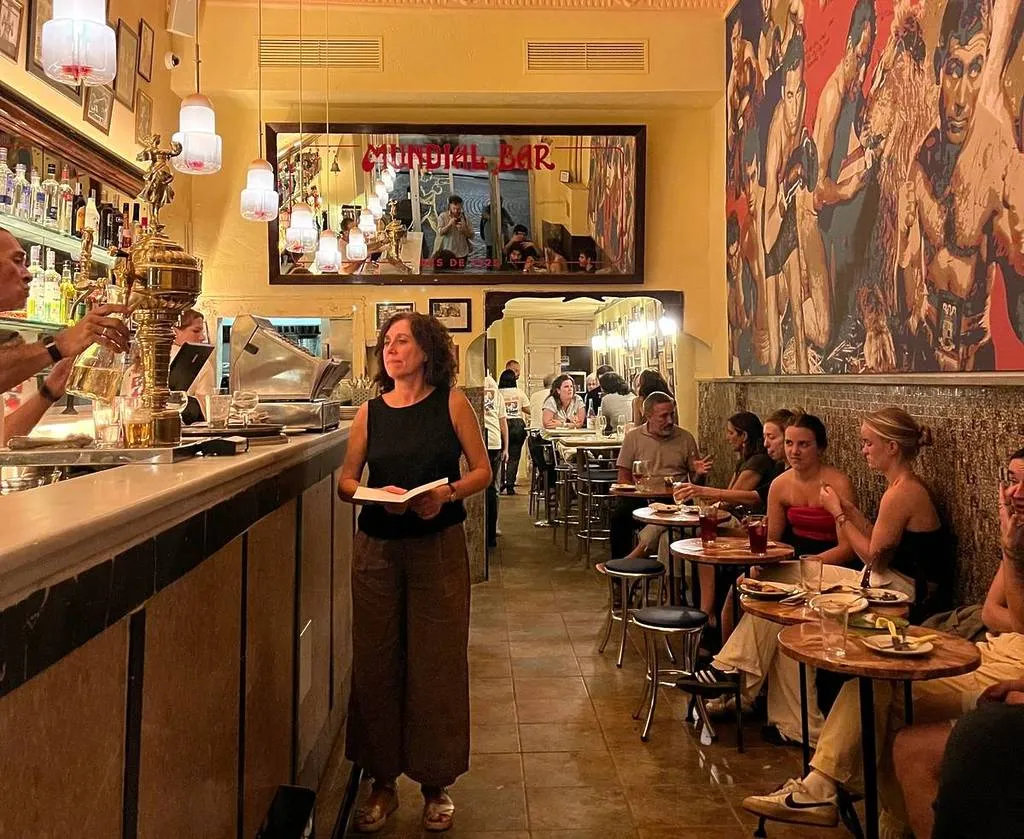
Tradition does not always whisper; sometimes it drinks late and laughs loudly.
Resonates through its name and, in the heart of El Born, rekindles the flame of a bohemian nightlife that still survives in some cafés and delights in simple, honest tapas served in generous portions.
Ca l’Estevet
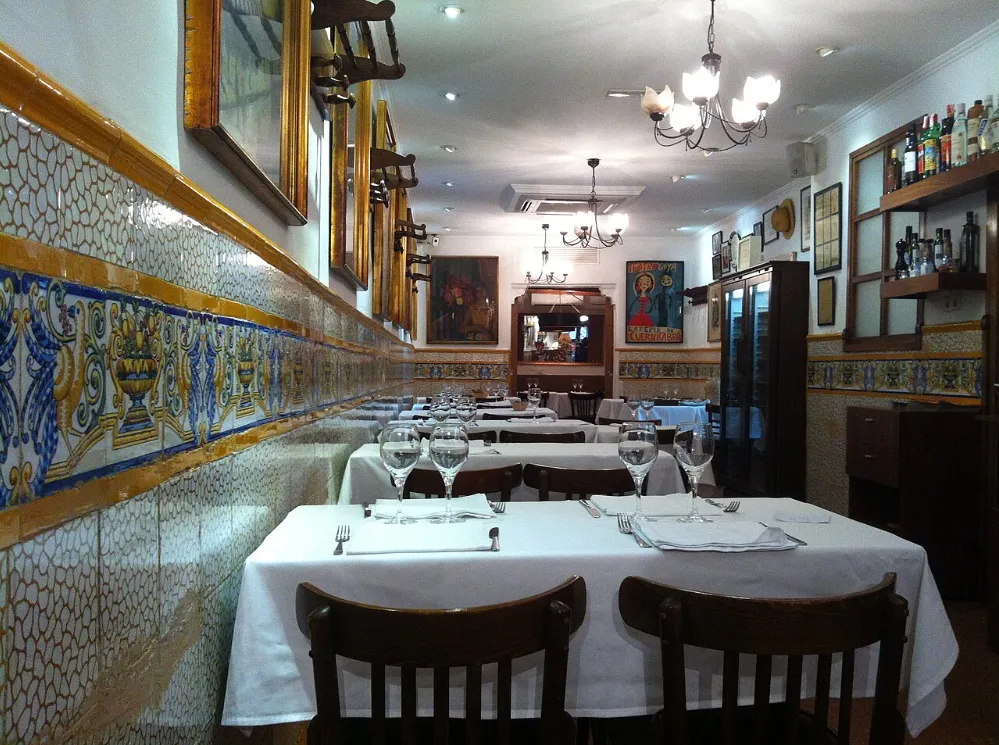
Here, traditional Spanish cuisine in Barcelona and Catalan cooking intersect naturally, through technique, time, and restraint, without the need for reinvention or explanation.
And finally, a place where time does not pass, it accumulates.
Stands as the true guardian of the essences of a culinary culture that not only survives but is executed with precision and the craftsmanship of a seasoned, weathered artisan, the finest Catalan cuisine available in the city center fulfills the mythological résumé of every great restaurant:
-
Glamorous for its age
-
Picturesque for the natural way in which the different layers of its interior design reveal to diners the various eras in which it has fed entire generations of workers, bourgeois, anarchists, socialists, conservatives, liberals, and celebrities from all the arts
Their signed portraits line the walls, among them, without going any further:
-
Sara Montiel
-
Terenci Moix
-
Orson Welles
-
James Dean
It is not easy to select the best dishes on this menu, but it would be pointless to linger without mentioning:
The cannelloni
The duck with prunes
The classic fricandó
The cod pil-pil
More and more places like these resist the general onslaught of cultural homogenization. They do not preserve tradition by freezing it, but by using it,daily, imperfectly, and without spectacle. In doing so, they allow us to experience where locals eat in Barcelona and reaffirm the value of authentic local restaurants in Barcelona.
Always, of course, with a good plate in front of us.
Bon appétit.
Vocabulary List
Food & Dishes
cannelloni - Stuffed pasta dish traditional in Catalonia
escudella i carn d’olla - Traditional Catalan meat and vegetable stew
empanada / empanada shops - Filled pastry
caçola de mandonguilla amb sípia - Meatballs cooked with cuttlefish
fricandó de vedella estofada - Braised veal fricandó
butifarra amb mongetes - Sausage served with white beans
cap i pota - Offal stew
chorizo - Paprika-seasoned pork sausage
cod pil-pil / pil-pil - Cod dish emulsified with olive oil
Restaurants (Proper Nouns)
Bar Muy Buenas - Historic Barcelona bar serving traditional Catalan dishes
Casa Leopoldo - Classic Barcelona restaurant known for traditional stews and offal
Mundial Bar - Traditional tapas bar; mundial means “worldwide” or “global”
Ca l’Estevet - Historic restaurant preserving Catalan and Spanish cuisine
Places / Food Spaces
Boquería - Historic food market in Barcelona
El Born - Historic neighborhood in Barcelona
People & Cultural References
Óscar Manresa - Spanish chef
Manuel Vázquez Montalbán - Spanish writer and journalist
Pepe Carvalho - Fictional detective character created by Vázquez Montalbán
Sara Montiel - Spanish actress and singer
Terenci Moix - Catalan writer and cultural figure
Language Note
Mundial - Spanish adjective meaning “global” or “worldwide.”
In the article, the name contrasts ironically with the bar’s deeply local and traditional character.